From Sweet to Swatting: Uncovering the Medical Reasons for Sudden Aggression
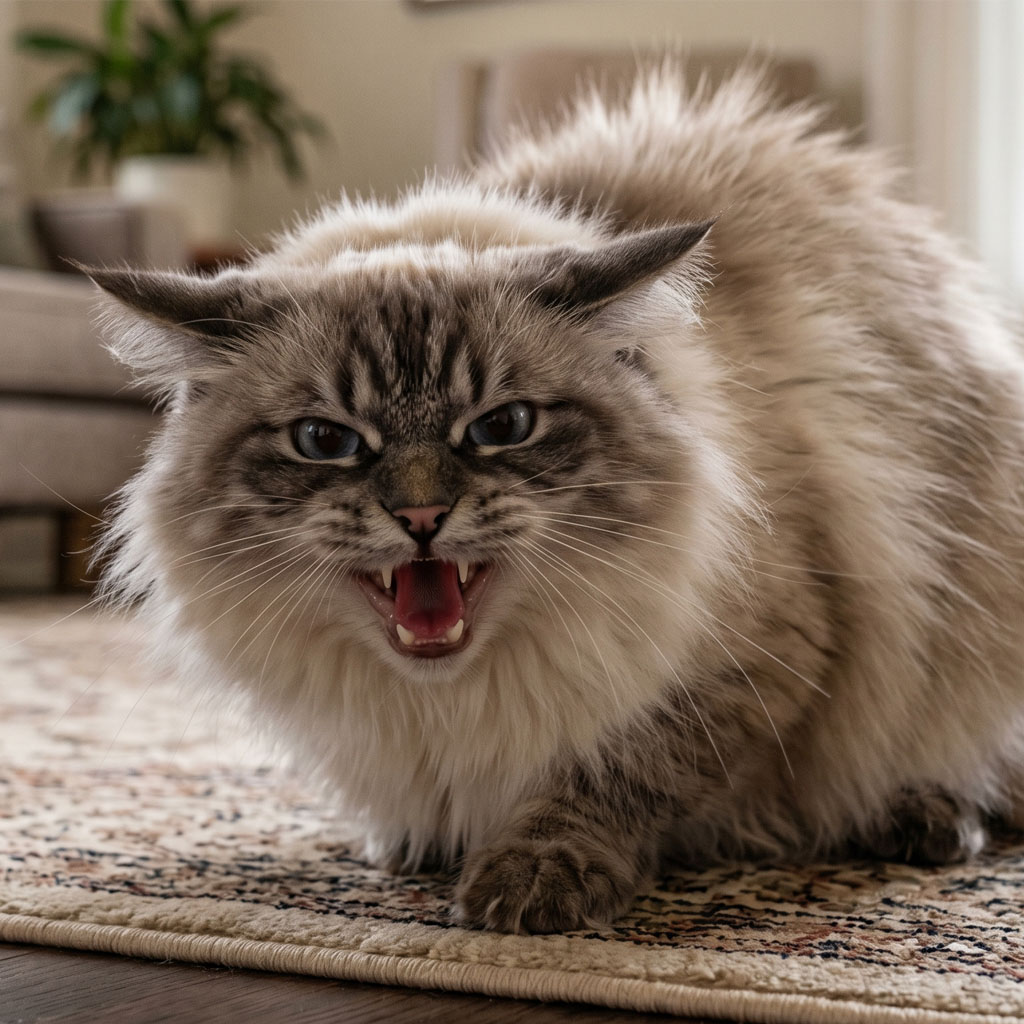
You reach down to give your normally affectionate cat their favorite chin scratch, but instead of a purr, you are met with a hiss, flattened ears, or even a swift swat of a paw. When a gentle, loving cat suddenly acts aggressively, it’s heartbreaking and confusing for an owner.
It is vital to understand that this behavior is almost never malicious. In the feline world, aggression is a primary defense mechanism. When a cat feels vulnerable, sick, or is anticipating pain, they will lash out to protect themselves. Sudden aggression should always be treated as a medical red flag rather than a behavioral flaw.
Before you assume your cat is holding a grudge, consider these hidden medical reasons for their sudden shift in mood.
1. Localized Pain: The “Don’t Touch Me There” Reaction
If your cat acts aggressively only when you touch or pick them up in a specific way, localized pain is the most likely culprit.
- What it could be: Arthritis in the lower spine or hips can make petting their lower back excruciating. An abscess from a hidden bite wound, a soft tissue injury, or even severe dental disease can make them hyper-defensive about certain areas of their body.
- What to track: Be a gentle observer. Note exactly where you touched them right before the aggressive reaction. Do they only hiss when you try to pick them up under their ribs? This specific mapping helps the vet know exactly where to start their physical exam.
2. Feeling Systemically Unwell
Think about the last time you had a terrible flu or a migraine. You probably didn’t want anyone touching you or bothering you. Cats are exactly the same.
- What it could be: Any systemic illness—from kidney disease and hyperthyroidism to a severe gastrointestinal upset—makes a cat feel physically miserable and highly vulnerable. They may hiss or swat simply to say, “Leave me alone, I feel awful.”
- What to track: Is the aggression paired with hiding? Are they sleeping more, eating less, or skipping the litter box? When aggression is a symptom of a systemic illness, it is rarely the only symptom.
3. Feline Hyperesthesia Syndrome
Also known as “twitchy cat syndrome,” this is a bizarre and poorly understood neurological condition that makes the skin on a cat’s back intensely sensitive.
- What it could be: The cat may act as if they are hallucinating pain. The skin on their lower back will visibly ripple or twitch. They may frantically bite at their own tail or back, and if you try to pet them during an episode, they may violently attack your hand.
- What to track: Note if the aggression is accompanied by the characteristic skin rippling, enlarged pupils, or frantic grooming of their lower back. Track how long the episodes last and if they occur at specific times of day.
Mapping the Triggers
When you tell a vet “my cat is biting me,” the immediate challenge is figuring out if it’s a behavioral issue (like redirected aggression from seeing an outdoor cat) or a reaction to deep physical pain.
iKnowMyCat acts as your behavioral map.
Instead of writing off a bad mood, use the app to log the aggressive incidents. Note the context: Where were they touched? Who was in the room? Did it happen before or after meals? By logging these precise moments alongside overall health markers like appetite and litter box use, iKnowMyCat gives your vet the data needed to find the source of the pain and bring your sweet cat back.
Download iKnowMyCat from the App Store and Google Play today.
*Disclaimer: This guide is for informational purposes only and is not a substitute for professional veterinary advice. Always consult your veterinarian with any health concerns.